
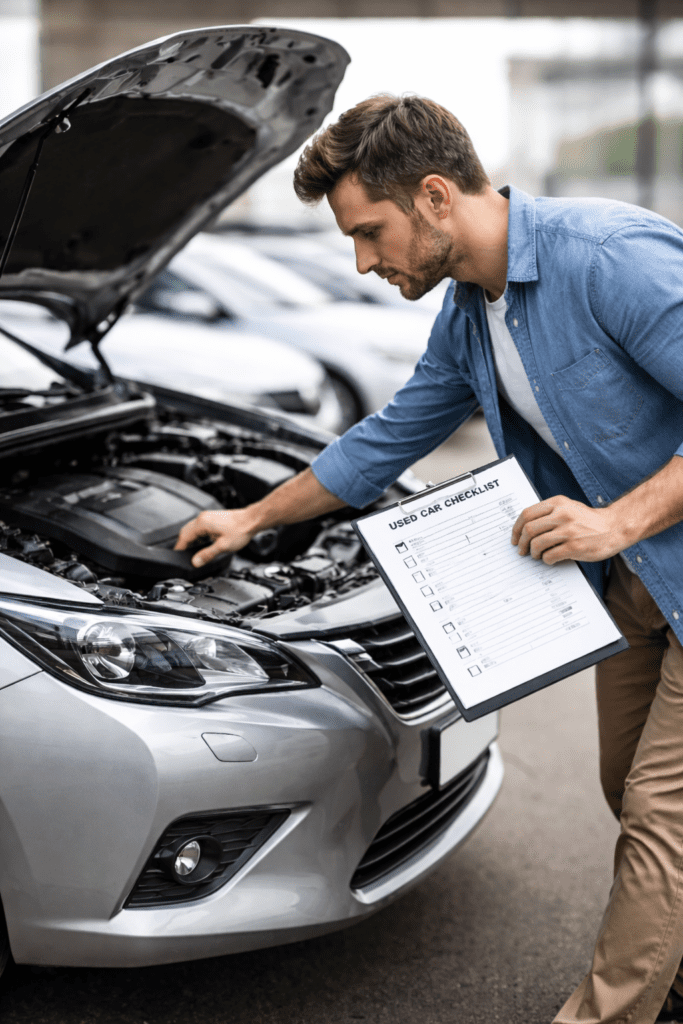
Used Car Buying Guide 2026: What to Check Before Buying a Used Car
Buying a used car is a great way to save money, but it comes with its own risks. A poorly inspected used car can lead to expensive repairs and legal complications. This guide covers everything you need to know before buying a used car, from inspections to paperwork and test drives.
1. Determine Your Budget and Vehicle Choice
Before browsing options, decide:
- Budget: Set a clear spending limit
- Vehicle Type: Hatchback, sedan, SUV, or luxury model
- Fuel Type: Petrol, diesel, hybrid, or electric
- Usage Pattern: City commute, long trips, or occasional use
Setting these parameters helps narrow down your choices and saves time.
2. Investigate Previous Ownership and Maintenance Records
The car’s past tells a lot about its future:
- Number of previous owners
- Service history – full service vs. basic service
- Accident history or major repairs
- Maintenance frequency
A car with proper records is more reliable and usually incurs fewer unexpected expenses.
3. Engine Condition and Mileage Verification
Check the car’s engine and mileage carefully:
- Listen for unusual noises, smoke, or leaks
- Verify the odometer reading
- Conduct a test drive to check smoothness and performance
Tip: Higher mileage isn’t always bad if the car has been regularly serviced.
4. Inspect Exterior and Interior Carefully
The physical condition indicates how the car was treated:
- Exterior: Look for dents, scratches, rust, and paint quality
- Interior: Check seats, dashboard, AC, electronics, and odor
- Tires & Brakes: Inspect tread depth, brake pads, and wheel alignment
A well-maintained exterior and interior often indicate responsible ownership.
5. Check All Legal and Registration Documents
Ensure the car has all legal documents:
- Registration Certificate (RC)
- Insurance policy – active and valid
- Pollution Under Control (PUC) certificate
- No pending loans or fines
Correct documentation ensures a safe and legal transaction.
6. Conduct a Thorough Test Drive
A test drive is essential to identify hidden issues:
- Check steering, brakes, clutch, and gear shifting
- Listen for engine vibrations or unusual sounds
- Test suspension on rough roads
- Check AC, lights, horn, and other electronics
Consider a pre-purchase inspection by a professional mechanic for peace of mind.
7. Evaluate Price and Negotiate
- Research the market price for the specific model and year
- Factor in minor repairs or issues discovered during inspection
- Negotiate confidently based on condition
- Obtain proper bills and receipts
Smart negotiation helps you get value without overpaying.
8. Extra Tips for a Safe Used Car Purchase
- Choose cars with complete service and maintenance records
- Prefer accident-free vehicles
- Avoid extremely low-priced cars, which may hide problems
- Check if any warranty or return options remain
9. Plan for Post-Purchase Maintenance
Even after buying, proper care is crucial:
- Regular Basic Services – oil changes, brakes, fluids
- Periodic Full Services as recommended
- Monitor tires, brakes, and battery
- Protect the car from extreme weather
- Maintain a record of all services for resale value
10. Conclusion – Buy Wisely and Drive Confidently
Purchasing a used car in 2026 can save money while still providing reliable transportation. By focusing on:
- Budget and car type
- Ownership and service history
- Engine, mileage, and physical condition
- Legal documents verification
- Test drives and mechanic inspections
- Fair price negotiation
…you can make a safe, informed, and smart purchase.