
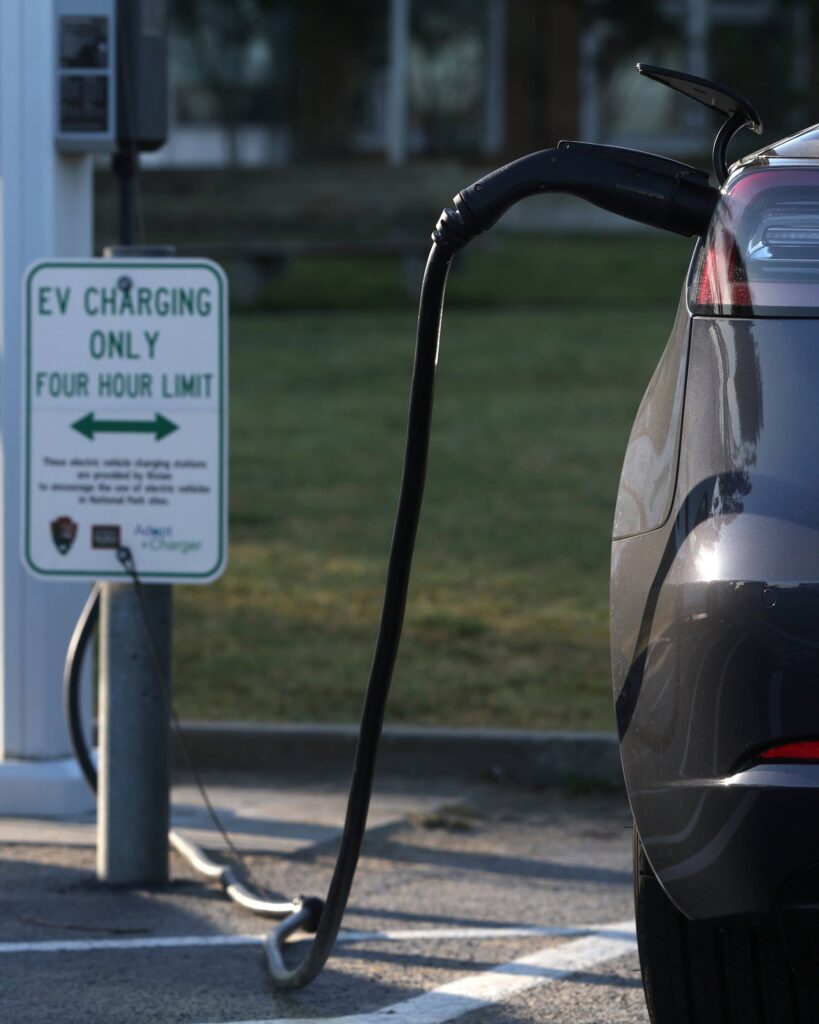
Electric Car Comparison: Electric vs Petrol Car
The automotive world is changing fast. With rapid improvements in technology and growing environmental awareness, many drivers today face a big question: Should I choose an Electric Vehicle (EV) or a traditional Fuel Vehicle (petrol/diesel)?
In this blog, we present a detailed Electric Car Comparison with fuel vehicles, covering key factors such as cost, performance, maintenance, environmental impact, convenience, and future trends — so you can make an informed decision for your next car.
🔌 What Are Electric and Fuel Vehicles?
Electric Vehicles (EVs) run on rechargeable batteries and electric motors, producing zero tailpipe emissions. They are charged at home or at public charging stations.
Fuel Vehicles (Petrol/Diesel) use internal combustion engines that burn fuel to generate power. They are widely available and refuel quickly at petrol or diesel stations.
This Electric Car Comparison will help you see how these two types of vehicles differ in real-world usage.
💰 Cost: Upfront and Running
Upfront Cost
- Fuel vehicles are usually cheaper to buy initially.
- EVs have a higher purchase price due to battery costs, though government subsidies and incentives often reduce the gap.
Running Cost
- EVs generally cost less to run because electricity is cheaper than petrol or diesel.
- Fuel vehicles have higher ongoing costs, and fuel prices fluctuate frequently.
Maintenance
- EVs have fewer moving parts, reducing servicing needs.
- Fuel vehicles require regular oil changes, filter replacements, and engine maintenance.
Electric Car Comparison takeaway: EVs may cost more upfront, but they save money on fuel and maintenance over time.
🌍 Environmental Impact
- EVs produce zero tailpipe emissions, making them cleaner for cities.
- Fuel vehicles emit CO₂, NOx, and other pollutants that contribute to climate change and air pollution.
- The overall environmental benefit of EVs depends on the electricity source, with renewable energy maximizing their advantage.
In our Electric Car Comparison, EVs clearly lead in environmental friendliness.
⛽🔌 Convenience: Refueling vs Charging
Fuel Vehicles: Quick refueling at widely available petrol stations.
EVs: Can be charged at home overnight or at public stations, though charging takes longer than refueling.
For city driving and daily commutes, EVs are often more convenient if home charging is available.
⚡ Performance
- EVs: Instant torque, smooth acceleration, quiet operation, regenerative braking.
- Fuel Vehicles: High performance for long-distance driving and highway trips; familiar driving experience.
Electric Car Comparison insight: EVs offer superior acceleration in city conditions, while fuel cars excel on long journeys.
🔋 Range and Driving Distance
- Fuel vehicles have long ranges and fast refueling.
- Modern EVs offer 300–600 km per charge, with fast-charging options improving convenience.
Planning long trips in EVs requires awareness of charging stations, but urban driving is effortless.
📈 Future Trends
- EV adoption is growing rapidly, with new models, better batteries, and expanding charging networks.
- Fuel vehicles face stricter emission regulations and potential phase-outs in some regions.
The Electric Car Comparison shows that EVs are the future of urban and sustainable mobility.
🧠 Final Comparison Table
| Factor | Electric Vehicles | Fuel Vehicles |
|---|---|---|
| Upfront Cost | Higher | Lower |
| Running Cost | Lower | Higher |
| Maintenance | Lower | Higher |
| Environmental Impact | Cleaner | Polluting |
| Convenience | Requires charging | Quick refueling |
| Performance | Instant torque, smooth | Strong long-distance |
| Future Proof | Growing adoption | Limited future growth |
🏁 Conclusion
If you’re considering your next car, this Electric Car Comparison makes one thing clear:
- Choose an EV if: You want lower running costs, cleaner emissions, and city-friendly performance.
- Choose a Fuel Vehicle if: You need a lower upfront cost and longer range with quick refueling for long-distance travel.
Both have their advantages, but with improving technology, EVs are increasingly practical and sustainable, making them a smart long-term choice.